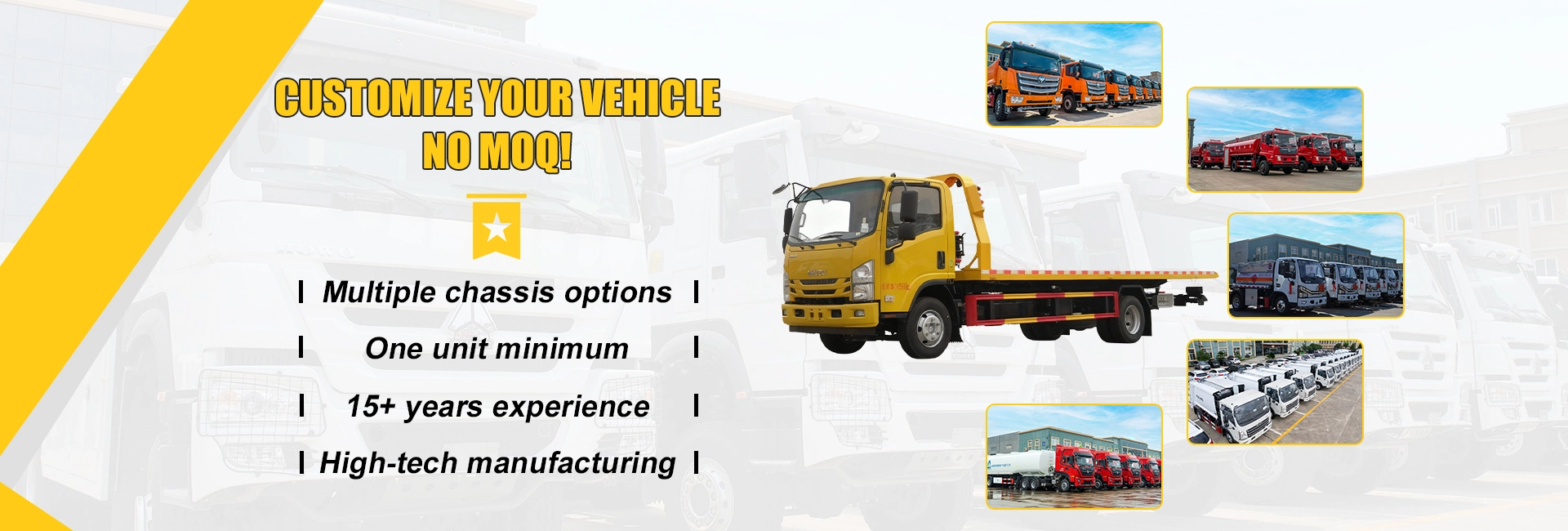
Special-purpose vehicles (SPVs) may look like a straightforward term, yet they blanket an exceptionally wide range of applications. Conceptually, an SPV is any automobile that has been engineered and built for a clearly defined, non-generic task. Its body, chassis and on-board systems are therefore purposely different from those of ordinary cars or trucks so that it can satisfy the particular demands of a given industry.
The SPV universe is vast: it stretches from logistics and construction to agriculture, fire-fighting, medical services, defence and beyond. Express vans, refuse collectors, street washers and ambulances that we see every day are all SPVs, each customised so that it can perform its unique mission.
So, are SPVs commercial vehicles or passenger cars? By definition, a commercial vehicle (CV) is one used for business—payload-oriented lorries, rigid trucks, tractors, etc.—whereas a passenger car is designed primarily for private or family transport (sedans, SUVs, MPVs). Viewed this way, SPVs clearly sit in the CV camp: they are bought by fleets, municipalities, contractors or institutions to fulfil a professional job, not to carry individuals to the shops.
There are, however, edge cases. A luxury chauffeur-driven executive van or a high-end motor-home is still built on a commercial base, yet its interior rivals that of a premium passenger car in comfort, connectivity and even entertainment. In such instances the SPV and passenger-car worlds overlap, but the primary classification remains “commercial”.
In short, an SPV is a task-oriented, industry-specific tool that belongs to the commercial-vehicle family. Its shapes, sizes and capabilities differ from those of mainstream automobiles because its reason for being is fundamentally different: to solve a specialised operational problem.
Looking ahead, rapid advances in intelligence and automation will push SPVs even further. Self-driving delivery pods, smart fire appliances that talk to city command centres and ambulances capable of real-time tele-surgery are no longer science fiction. These next-generation SPVs will raise productivity and safety across every sector they serve, bringing still greater convenience and benefit to society.